
What Flowers Symbolize New Beginnings?
Learn what flowers symbolize new beginnings, from tulips to lotus, along with meanings, gifting tips, and ideas for celebrating fresh chapters in life.
LIFESTYLE
3/21/20266 min read
10 Beautiful Flowers That Symbolize New Beginnings
Flowers have always meant more than just something nice to look at. People have used them for generations to mark life changes, celebrate milestones, and express emotions that are hard to put into words. When it comes to new beginnings, certain flowers keep appearing across cultures and traditions. You’ll spot them in springtime, in celebrations, and in moments when someone is starting fresh.
In this blog, we’ll look at the flowers most commonly linked with new beginnings, what they represent, and how you can use them when you want to mark the onset of a whole new life or send a considerate message.
See also: 6 Flowers That Symbolize Hope
What Flowers Symbolize New Beginnings?
New beginnings are tied closely to nature’s cycles. Spring, in particular, has long been associated with renewal, and many flowers that bloom during this season naturally came to represent fresh starts, hope, and transformation.
1. Daffodils
Daffodils are one of the earliest flowers to bloom after winter, which is why they’re so strongly associated with rebirth and fresh starts. Their bright yellow color adds another layer of meaning. It is a nod to optimism, warmth, and the promise of better days ahead.
Daffodils are mosly used during spring festivals and celebrations like Lunar New Year, where they represent prosperity and new opportunities.
Best for: New jobs, moving to a new home, personal reinvention
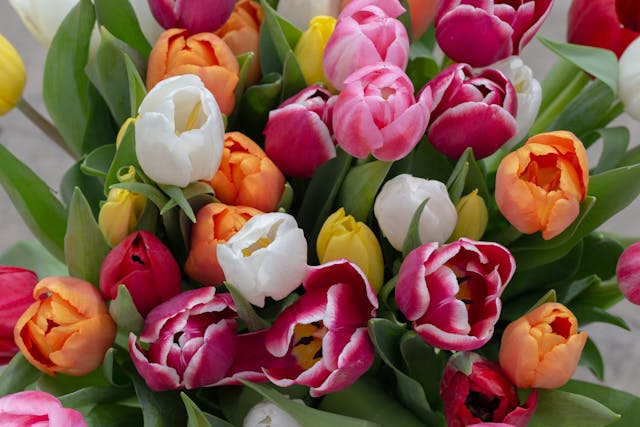
2. Tulips
Tulips are simple, elegant, and deeply symbolic. They’re among the first flowers to bloom in spring, which makes them a natural symbol of renewal and hope.
Plus, different colors can slightly change the nuance they convey. For example, yellow tulips represent merry musings along with fresh starts, whereas white tulips can be indicative of forgiveness and a clean slate.
Best for: Rekindling relationships, starting something new, celebrating change
See also: The Giants That Walked: Unpacking the Mystery of Easter Island
3. Cherry Blossoms
Cherry blossoms are famous for their fleeting beauty. They bloom for a short time and then fall, reminding us that life is constantly changing. In many cultures, especially in Japan, they symbolize renewal and the temporary nature of life.
That’s what makes them so powerful. They don’t just represent turning over a new leaf, but also the courage to embrace change.
Best for: Personal growth, life transitions, mindful living
4. Lotus
The lotus is one of the most meaningful symbols of new beginnings, especially in spiritual traditions. It grows in muddy water but blooms into something pure and beautiful. Because of this, it represents rebirth, transformation, and the ability to rise above challenges.
You might also see it connected to spiritual awakening and personal evolution.
Best for: Healing, recovery, spiritual journeys
5. Sunflowers
Sunflowers are known for turning toward the sun. That simple trait has made them a symbol of optimism, growth, and looking ahead. They carry a sense of energy and encouragement, making them ideal for someone stepping into a new chapter.
Best for: New ventures, business launches, academic milestones
See also: Alice Waters' Tomato Quiche Recipe
6. Lilies
Lilies are often linked with transformation and fresh starts. Their clean, elegant appearance makes them a popular choice for both celebrations and reflective moments. They’re frequently used in weddings and other life transitions because they symbolize renewal and a peaceful new phase.
Best for: Weddings, major life transitions, emotional healing
7. Iris
Named after the Greek goddess who carried messages between heaven and earth, the iris represents hope, faith, and courage. It’s the kind of flower you give when someone is stepping into the unknown and needs a reminder to trust the process.
Best for: Career changes, big decisions, new journeys
8. Crocus and Snowdrops
These small, delicate flowers are among the first to appear after winter. They push through cold soil and even snow, making them powerful symbols of resilience and renewal. They represent inner strength and the idea that change doesn’t always arrive loudly.
Best for: Subtle encouragement, early stages of change
9. Hyacinths
Hyacinths are known for their fragrance and vibrant colors. Symbolically, they represent progress, joy, and the beginning of a new journey.
They’re often used in celebratory settings like housewarmings and baby showers.
Best for: Celebrating milestones, welcoming new phases
10. Amaryllis
Amaryllis flowers bloom dramatically, often during winter. Their growth from a dormant bulb makes them a strong symbol of resilience and renewal.
They remind us that new beginnings don’t always come easily, but they can still be beautiful.
Best for: Overcoming challenges, personal breakthroughs
See also: How Do You Write a Quote for a Service?
Why Flowers Became Symbols of New Beginnings
The connection between flowers and fresh starts isn’t random. It’s rooted in how humans have observed nature for centuries.
Seasonal cycles: Flowers bloom after winter, naturally representing renewal
Cultural traditions: Many societies use flowers in rituals marking life changes
Emotional expression: Flowers became a silent language to express hope and transformation
Globally, the floriculture industry reflects this emotional value. The global cut flower market was valued at over $30 billion in recent years, driven largely by gifting traditions tied to occasions and life events.
That tells you something important: people don’t just buy flowers for decoration; they buy them to mark moments that matter.
How to Use These Flowers Meaningfully
Choosing the right flower isn’t just about aesthetics. It’s about matching the message to the moment.
For personal growth: Go with lotus, iris, or daffodils. These carry deeper meanings tied to transformation and resilience.
For celebrations: Tulips, sunflowers, and hyacinths work well. They feel bright, uplifting, and forward-looking.
For emotional support: Lilies and snowdrops are gentle, mindful choices that cue hope without being overwhelming.
For gifting:
New job: Sunflowers or tulips
New home: Hyacinths or daffodils
New relationship: Tulips or cherry blossoms
See also: 7 Cheapest Law Schools in Europe
Simple Floral Arrangement Ideas
Also, you don’t need a florist to create something meaningful. Even a single flower, chosen with a bit of perception and forethough, can communicate a strong message.
Combine tulips and daffodils for a classic “fresh start” bouquet.
Pair lilies with greenery for a calm, elegant arrangement.
Use sunflowers as a focal point for bold, celebratory bouquets.
FAQs
1. Why are spring flowers associated with new beginnings?
Spring flowers bloom after winter dormancy, which naturally symbolizes renewal and rebirth. This seasonal pattern became a cultural metaphor for fresh starts, new opportunities, and growth across many societies and traditions.
2. Which flower is best for a new job or career change?
Sunflowers and tulips are great choices. Sunflowers represent optimism and forward movement; in contrast, tulips symbolize hope and new opportunities. Both send a positive, encouraging message without being overly formal.
3. Are there cultural differences in flower symbolism?
Yes, meanings can vary. For example, cherry blossoms in Japan symbolize the fleeting nature of life. The lotus in Eastern cultures represents spiritual rebirth. Always consider cultural context when gifting flowers.
See also: 20 Interactive 1st Grade Reading Worksheets
4. Can flowers really influence one's mood or emotions?
Research suggests that flowers can improve your mood and emotional well-being. Their colors, scents, and natural beauty trigger positive psychological responses, making them effective for encouragement and emotional support.
5. What flowers are best for someone going through a tough time?
Lotus, lilies, and snowdrops are a few good options. They symbolize resilience, healing, and hope. These flowers gently acknowledge challenges and at the same time, encourage a fresh start.
6. How do I choose the right flower for a specific occasion?
Think about the message you want to send. For celebration, go bright and bold. For support, choose soft and calming flowers. Matching symbolism with the occasion creates a more meaningful gesture.
7. Are floral arrangements better than single flowers?
It really comes down to the situation, the relationship, and what you’re trying to communicate. A floral arrangement works well when the moment calls for scale or visibility, like for example, housewarmings, promotions, weddings, or big life changes.
On the other hand, a bouquet fills space, adds color to a room, and beacons celebration in a more obvious way. It also lets you combine different flowers, so you can layer multiple meanings. For example, pairing tulips with lilies can reflect both new opportunities and a sense of transition.
A single flower, in comparison, has a softer kind of impact. It draws attention to one idea instead of several. Giving one lotus or one rose can come across as deliberate and direct, particularly in personal situations like reconciliation, encouragement, or the start of a relationship. It also works well when you want the gesture to stay simple and not overpower the moment.
There’s also a practical side to consider. Arrangements usually last longer as a display piece and can suit formal or shared spaces like offices or living rooms. A single stem is easier to carry, easier to present, and can suit more private or low-key settings.
In short, go for a bouquet when the occasion is big or public, and a single flower when you want to keep the gesture focused and understated.
8. Do flower colors affect their meaning?
Absolutely. Yellow often symbolizes happiness and new beginnings, white represents purity and a clean slate, and pink conveys admiration and gentle affection. Color adds another layer to the flower’s message.
Summing Up
Starting something new doesn’t always come with a big moment. Sometimes it’s just a small step or a renewed resolve to move ahead in life. That’s where flowers fit in so well. They capture that mix of hope, change, and possibility in a simple, honest way.
If you’re stepping into something new or supporting someone who is, the right flower can say exactly what needs to be said without overcomplicating it.
Explore
Welcome to Stay Curious, your home for free online calculators and blogs that make you stop and think. Here, questions never get old and answers are always a little unexpected.
We dig into the weird and wonderful, challenge the obvious, and cover topics that make you think, "Why didn't I know this sooner?" From quirky facts to deep dives into everyday mysteries, we are all about satisfying that itch for knowledge you didn't know you had.
So go ahead, stay curious. We promise it'll be worth your while. Or, you know, not. ;)
Contribute
Learn
ask.staycurious@gmail.com
© 2025. All rights reserved.
We welcome guest posts on business, tech, travel, finance, lifestyle, career, relocation, and home improvement. Submissions must be original, unpublished (online), at least 800 words, and written in English.
Ready to contribute? Contact us with your ideas!