
Alice Waters' Tomato Quiche Recipe
Enjoy the best Alice Waters' Tomato Quiche recipe by following our easy tips for a silky custard filling and a crisp, buttery pastry shell.
LIFESTYLE
Sarah Mitchell
3/1/20268 min read
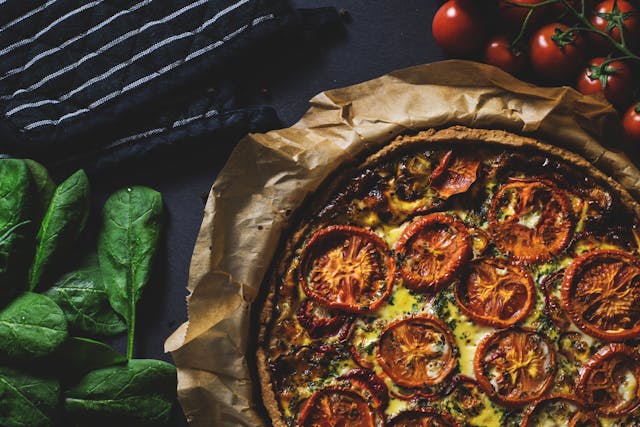
Simple Steps For Alice Waters' Tomato Quiche Recipe
There is something to be said for standing in a farmers market surrounded by beautiful fresh produce (in peak ripeness) knowing that you will be taking it home and making something special from it. That is the feeling that chef Alice Waters has instilled in me, and that I hope to pass on to you. Waters believes that great food is made using ingredients that are fresh and in season, and letting the ingredients shine, not a heavy sauce or an abundance of other flavorings, is how it is done.
Of course, you don't need to replicate this recipe ingredient by ingredient, but it must contain some elements found in the recipe so fondly crafted by the Mother of American Cooking herself: a perfectly golden crust, light custard, and especially the star of the show, the tomatoes!
Now let's make some quiche!
Garden-Style Quiche vs Classic Quiche Lorraine
Before we get into the ingredients, how about we understand the differences between this recipe and the classic quiche Lorraine?
First and foremost, the quiche Lorraine is traditionally prepared with a rich mixture of cream, bacon, and gruyère cheese, whereas the quiche Alice Waters makes is made with fresh tomatoes and has a lighter, more delicate flavor. Furthermore, the former is typically baked in a shortcrust or puff pastry; in contrast, the latter is made with a simple all-butter crust that is rolled thinly to a delightful crispy texture.
Another difference is that the quiche Lorraine is a dish with a deep and robust flavor; the garden-style quiche provides a bountiful harvest flavor with fresh herbs playing their own savory role in its flavor profile. Moreover, when comparing the two dishes, one would notice that the quiche Lorraine is made with a thicker custard, whereas the garden-style quiche is made with a lighter mixture due to the higher proportion of eggs to cream.
Also, in this quiche particularly, the crust is blind-baked to prevent it from becoming soggy when the tomatoes are added. In short, if the quiche Lorraine is characterized by the harmonious combination of rich and smoky flavors, the garden-style quiche is a lighter dish with a pronounced tomato flavor and fresh herbs. Nevertheless, both dishes are delightful, albeit in different ways.
See also: Thomas Keller's Roast Chicken Recipe
The Shopping List
You don't need much, but because the list is short, try to get the best quality you can.
For the Crust:
1 cup plus 2 tablespoons all-purpose flour
8 tablespoons (1 stick) cold unsalted butter, cubed
¼ teaspoon salt
3-4 tablespoons ice-cold water
For the Filling:
2 or 3 large heirloom tomatoes (different colors look beautiful!)
1 tablespoon olive oil or butter
½ cup grated cheese (Gruyère, Swiss, or even a mild goat cheese)
4 large eggs
¾ cup heavy cream or half-and-half
2 tablespoons of chopped fresh herbs (thyme, basil, or chives)
Salt and black pepper
See also: How Do You Write a Quote for a Service?
The Step-by-Step Recipe
Step 1: Make the crust
The key here is keeping your butter cold. If it starts to melt while you’re working, pop the bowl in the fridge for ten minutes.
Mix: Whisk the flour and salt in a bowl. Drop in your cold butter cubes.
Crumble: Use your fingers or a pastry cutter to smash the butter into the flour. Stop when the pieces are the size of peas.
Bind: Add the ice water one tablespoon at a time, tossing with a fork until the dough just starts to clump together.
Chill: Shape it into a flat disc, wrap it in plastic, and let it rest in the fridge for at least 30 minutes.
Step 2: Salt and drain the tomatoes
During the time the dough is resting, arrange the tomato slices on paper towels to drain. Sprinkle with salt and set aside for fifteen to twenty minutes. This will draw out excess moisture so the quiche won't be soupy. Pat them dry before adding them to your baking dish.
Step 3: Blind-bake the crust
Roll out the chilled dough and fit it into a 9-inch tart or pie pan. Using a fork, prick the bottom and add parchment and pie weights (or dried beans). Bake for 15 minutes or so at 375°F until lightly set but not golden. Remove the weights and set the crust aside.
Step 4: Make the custard
This is not a heavy, deep-dish quiche; it’s meant to be sophisticated and light. Whisk together the eggs and milk until smooth. Stir in half the cheese and most of the fresh herbs, saving a little of each for the top. Season with salt and pepper.
Step 5: Assemble
Scatter the remaining cheese on the par-baked crust. Then arrange the dried tomato slices in a circular overlapping pattern. Pour the custard over the slices in a way that it settles into the gaps. Lastly, sprinkle with the herbs that were set aside.
Step 6: Bake
Slide the quiche into the oven at 350°F and bake for 35 to 40 minutes.
You’ll know it’s done when the crust is golden and the custard is set but still has a tiny bit of a "jiggle" in the very center. If it puffs up like a balloon, it’s getting a bit overcooked, so keep an eye on it. If the crust edges are browning too quickly, loosely tent them with aluminum foil.
Allow the quiche to cool on the counter for at least 15 minutes. This is the hardest part, but it’s necessary so the slices stay together. Garnish with some fresh basil over the top right before you serve.
What Cheese or Dairy Works Best?
A quiche like this one needs a cheese that won't overpower the tomatoes but will still melt throughout the dish. I like to use Gruyère because it's nutty and not too sharp, but you could also use a mild cheddar or a fresh cheese that isn't too salty.
To make the custard mixture extra-light, use whole milk or half-and-half. These will add some much-needed richness to your quiche without weighing it down. If you're looking for a denser, more substantial quiche, though, you could always substitute half the milk for cream.
What Tomatoes Should You Use?
Use vine-ripened or heirloom tomatoes, which can often be found in peak summer produce markets. Choose specimen that are mature but firm enough to hold their shape when sliced. Salt and drain the slices before adding them to the quiche.
The best part about making a quiche this way is that you won't have a soupy sauce running out when you cut it open; rather, you'll have individual slices of custard that are easy to eat. To go along with the tomatoes, use fresh herbs such as thyme, basil, and chives.
Can You Make This Gluten-Free?
Certainly! There are two simple ways to make this recipe gluten-free:
Use a one-to-one gluten-free flour blend in the crust, and be prepared to handle the dough with care (it will be a bit more crumbly) and chill it thoroughly before rolling.
Or, skip the crust altogether. Butter a baking dish and pour in the filling, like a frittata. It will bake at the same temperature, though you'll need to check it a few minutes earlier than the recipe states, since it won't have the extra cushion of the crust.
Can You Make It Ahead and Reheat It?
Yes, it is one of the best make-ahead dishes. There are two options for making this ahead of time:
Fully baked, then chilled: Bake the quiche to completion, cool it, and then refrigerate it, covered, for up to 2 days. Reheat the slices or the whole quiche in a 300- to 325-degree oven until warmed through (about 15 to 20 minutes for a whole quiche).
Or, make it up to the point of putting it in the oven, then chill: Assemble the quiche the night before and place it, uncovered, in the refrigerator until ready to bake the next day. Just allow extra baking time since it will need to come out of the refrigerator and come to room temperature first.
Either way, the quiche should be reheated in a low oven, rather than a microwave, because that would create a rubbery custard. And who wants that????
Best Salads and Sides to Serve With It
A slice of tomato quiche needs something fresh and bright alongside it on the plate. I'd go with something like:
A simple mixed arugula salad with some lemon vinaigrette and shaved parmesan
Or a cucumbers and herbs salad for some crunch
Plus crusty bread with some good olive oil for dipping up the quiche custard
Maybe a light fruit salad if it's a brunch dish, but it's not necessary. You want to counter the creamy, rich flavors in the quiche with something bright and a little tart.
A Few Tips to Adapt the Recipe According to Your Pantry
One of the best things about this recipe is how easy it is to tweak based on what you have in your kitchen. Alice Waters is all about using what’s fresh and local, so don't feel like you have to stick strictly to the script once you’ve mastered the basics.
You surely can switch things up and still keep that simple, classic vibe.
1. Play with the herbs.
While basil is the go-to for tomatoes, there are other herbs that bring out different notes in the dish:
Thyme: Sauté a teaspoon of fresh thyme leaves with your onions. It adds a woody, earthy scent that pairs perfectly with the buttery crust.
Chives: Whisk some finely chopped chives directly into your egg custard for a mild, oniony bite.
Marjoram: This is a bit of a chef's secret. It’s similar to oregano but much sweeter and more floral—it tastes incredible with roasted tomatoes.
2. Swap the cheese.
The cheese acts as a savory bridge between the crust and the tomatoes. Depending on what you pick, you can change the whole mood of the quiche:
Sharp White Cheddar: This makes the quiche feel a bit more "homestyle" and hearty.
Feta or Goat Cheese: Instead of melting into a gooey layer, these cheeses stay in creamy little pockets. The tanginess cuts through the richness of the heavy cream.
Parmesan: If you want a thinner, crispier layer, a heavy dusting of freshly grated Parmesan or Pecorino Romano adds a great salty punch.
3. Add some texture.
If you want a little more heft to your quiche, you can add a few extra ingredients to the onion layer:
Olives: A handful of halved Kalamata or Niçoise olives adds a nice salty, Mediterranean vibe.
Garlic: Add two cloves of thinly sliced garlic to the onions during the last minute of sautéing.
Anchovies: If you’re feeling bold, lay a few anchovy fillets over the onions before adding the tomatoes. They melt away during baking and just leave behind a deep, savory flavor.
Frequently Asked Questions
Is this a Quiche Lorraine?
Nope, not really. This is a lighter version with an eggy, robust base eggs and less heavy cream, cheese and bacon, to support juicy tomatoes, fresh herbs, and a handful of cheese for good measure.
Is the crust necessary?
Omit the pastry if you'd like, but make sure to use plenty of butter on the bottom and sides of the dish and serve it like a crustless quiche or fritatta.
How can I avoid a wet, soupy bottom?
Salt and drain the tomato slices before adding them to the dish. Also, make sure to blind bake the crust.
What's the ideal proportion of dairy?
For a lighter, more tomatoey quiche, you can go with more eggs and less cream. A good starting point is 4 eggs to 3/4 cups milk for a 9-inch quiche.
Why We Love Alice Waters' Tomato Quiche
This recipe contains great tomatoes, eggs of excellent quality, a little cheese, and your time, which will return to you in the most delicious form.
Enjoy the dish warm at a special weekend brunch or fresh from the refrigerator the next morning, and you will never regret trying this recipe. Go ahead, try it for lunch today!
See also: The Ultimate Guide to Writing the Perfect Career Change Cover Letter
Author Bio
Sarah is a home cook and food writer who spends most weekends at her local farmers market, usually coming home with more items than she planned on buying. She writes about seasonal, ingredient-first cooking, with a particular love for recipes that let good produce do most of the work.
Explore
Welcome to Stay Curious, your home for free online calculators and blogs that make you stop and think. Here, questions never get old and answers are always a little unexpected.
We dig into the weird and wonderful, challenge the obvious, and cover topics that make you think, "Why didn't I know this sooner?" From quirky facts to deep dives into everyday mysteries, we are all about satisfying that itch for knowledge you didn't know you had.
So go ahead, stay curious. We promise it'll be worth your while. Or, you know, not. ;)
Contribute
Learn
ask.staycurious@gmail.com
© 2025. All rights reserved.
We welcome guest posts on business, tech, travel, finance, lifestyle, career, relocation, and home improvement. Submissions must be original, unpublished (online), at least 800 words, and written in English.
Ready to contribute? Contact us with your ideas!