
What to Pack in a Diaper Bag
Not sure what to pack in a diaper bag? This easy guide covers baby essentials, organization tips, and smart packing for parents on the go.
LIFESTYLE
3/24/20266 min read
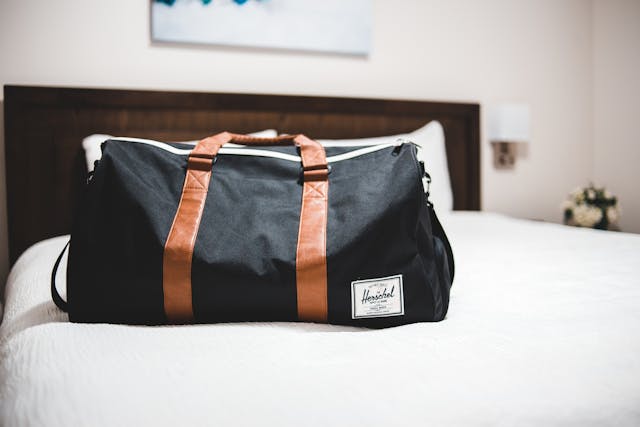
Packing a Baby Diaper Bag: The Ultimate Checklist for Parents on the Go All the Time
Stepping out with a baby?
Well, best of luck with that!
Jokes aside, leaving the house with an infant is never as simple as grabbing your keys and heading out the door. You start with a simple plan to grab a coffee with friends, and suddenly you’re standing in the hallway surrounded by three different types of wipes, wondering if you really need to pack a backup for your backup.
Yeah, babies have a knack of needing something at the most importune moment. That’s why a well-packed diaper bag is essential for any parent on the move.
Think of your diaper bag as a portable command center. It carries everything you need to handle diaper changes, feeding sessions, outfit emergencies, and sudden messes that come with parenting. Once you get the hang of packing it right, you will move through your day with far less stress.
In other words, a diaper bag is the difference between a smooth afternoon at the park and a frantic, tear-filled retreat to the car because of a "code brown" with no supplies.
This guide walks you through exactly what to pack and why, as well as how to organize it so you are never digging around in panic.
Let's get started!
See also: 6 Flowers That Symbolize Hope
The Essentials You Should Never Leave Without
These are your non-negotiables. If you forget anything else, you can usually manage. Forget these, and you are in for a rough outing.
1. Diapers
Unexpected delays happen: traffic, longer visits, or a baby who suddenly needs more frequent changes can throw off your plan.
So, start with the obvious. Pack enough diapers for the time you will be out, then add at least two more. A good rule is one diaper for every two hours, plus extras.
2. Baby Wipes
Wipes are not just for diaper changes. You will use them for sticky hands, messy faces, and quick cleanups on the go. Keep a full pack or a travel-size pack that is easy to pull out quickly.
3. Changing Pad
Many diaper bags come with a foldable changing pad. If yours does not, add one. Public changing tables are not always the cleanest, so having a barrier gives you peace of mind.
4. Diaper Cream
Rashes can appear without warning. A small tube of diaper cream ensures you can deal with irritation before it gets worse.
See also: How to Make Money on Pinterest
Clothing and Comfort Must-Haves
Babies go through outfits faster than you would expect for the obvious reason that spills, spit-ups, and diaper leaks are all part of the parenting routine.
5. Extra Clothes
Pack at least one complete change of clothes. For younger babies, consider packing two sets. Include:
Onesie or shirt
Pants or leggings
Socks
If the weather is unpredictable, add a light jacket or sweater.
6. Bibs or Burp Cloths
These are lifesavers during feeding time. They also help keep clothes cleaner for longer, which reduces the need for full outfit changes.
7. Blanket
A soft blanket serves multiple purposes. You can use it for warmth, as a nursing cover, a clean surface, or even a quick comfort tool when your baby gets fussy.
See also: How to Organize Your Kitchen Pantry
Feeding Supplies Based on Your Routine
What you pack here depends on how you feed your baby. The goal is to avoid scrambling when hunger strikes.
8. Bottles and Formula
If your baby is formula-fed, pack pre-measured formula in a dispenser and clean bottles filled with water. This makes feeding quicker and less messy.
For breastfed babies, you might not need bottles, but having one ready with expressed milk can be helpful in certain situations.
9. Snacks for Older Babies
If your baby has started solids, carry easy-to-eat snacks like soft fruits, crackers, or baby food pouches. Choose items that are not too messy and easy to handle on the go.
10. Sippy Cup or Water Bottle
Hydration is just as important for toddlers. A spill-proof cup makes life easier when you are out and about.
Health and Hygiene Basics
You never know when you might need these, but when you do, you will be glad they are in your bag.
11. Hand Sanitizer
You will use this more than you think. Before feeding, after diaper changes, or after touching public surfaces, a quick clean keeps things safer.
12. Baby-Friendly Sanitizing Wipes
These are useful for cleaning surfaces like restaurant tables, shopping carts, or toys that fall on the ground.
13. Small First-Aid Kit
Include basics like band-aids, baby-safe antiseptic wipes, and a digital thermometer. You do not need a full medical kit, just enough to handle minor issues.
14. Tissues or Paper Towels
Spills and sneezes do not wait for convenience. A small pack of tissues helps you handle both.
See also: How to Bring Gothic Home Decor Into Modern Interiors
Entertainment and Soothing Items
Keeping your baby calm and engaged can make outings much smoother.
15. Favorite Toy
A familiar toy can keep your baby occupied during waiting times. Choose something small and easy to clean.
16. Pacifier
If your baby uses one, always carry at least two. They have a way of disappearing at the worst moments.
17. Teething Toys
For teething babies, discomfort can strike anytime. A teether gives them relief and keeps them from getting too fussy.
Parent Essentials You Should Not Forget
It is easy to focus entirely on your baby and forget your own needs. A few of these small additions will make your day much easier.
18. Wallet and Keys
Keep them in a designated pocket so you do not have to search for them every time you need to pay or unlock something.
19. Phone Charger or Power Bank
Your phone becomes your map, your contact list, and sometimes your baby distraction tool. Running out of battery is not ideal.
20. Snacks for Yourself
Taking care of a baby is demanding. A quick snack can keep your energy up when you are out longer than expected.
21. Water Bottle
You must stay hydrated, even more so if you are breastfeeding or just managing a busy day.
See also: What Are the Costs of Renovating a House in Italy?
Optional Items for Extra Comfort
These items are not always necessary, but they can make outings smoother and more comfortable.
22. Wet Bag or Plastic Bags
Perfect for storing soiled clothes or dirty diapers until you find a proper place to dispose of them.
23. Portable Changing Kit
If you want to travel light, keep a mini pouch with just a diaper, wipes, and a small pad. You can grab it quickly instead of carrying the whole bag.
24. Sunscreen and Hat
If it's an outdoor trip, you might want to protect your baby from the scorching sun. Choose baby-safe sunscreen and a lightweight hat.
25. Baby Carrier or Sling
Sometimes a stroller is not convenient, so pack a less cumbersome carrier to help you move around whilst keeping your baby close and secure.
How to Organize Your Diaper Bag Efficiently
Packing is only half the job. Organization is what will save you from chaos when you need something fast.
Use compartments wisely: Group similar items together. Keep diapering supplies in one section, feeding items in another, and clothing in a separate pouch. This way, you know exactly where to reach.
Keep frequently used items within reach: Diapers, wipes, and pacifiers should be easy to grab without opening every pocket.
Rotate and restock regularly: After every outing, take a few minutes to restock what you used. Replace diapers, refill wipes, and swap out any used clothes.
Adjust based on your day: You do not need to carry everything every time. A quick grocery run will obviously need fewer items than a full day out. So, tailor your bag to your plan.
Common Mistakes to Avoid
No one gets it perfect every time, and that is completely normal. Here are a few common mistakes that can make getting out and about tougher than they should be.
Overpacking: It is tempting to carry everything, but a heavy bag becomes difficult to manage. Focus on essentials and a few extras.
Underpacking: On the other hand, skipping basics like extra clothes or enough diapers can leave you in a tough spot.
Not checking before leaving: Always do a quick check before stepping out. Make sure you have diapers, wipes, and feeding supplies ready.
Ignoring weather changes: A sudden drop in temperature or unexpected heat can catch you off guard. Pack with the weather in mind.
See also: Best Fully Remote Jobs for Digital Nomads (With Salaries And Core Duties)
Sample Minimalist Packing List
Many parents start with an overstuffed diaper bag, only to realize later that most items never get used. This version of a diaper bag checklist is designed for parents who prefer simplicity. It strips things down to what is actually useful, and still covers everyday needs.
Below is a list of items a streamlined diaper bag might include:
3–5 diapers
Travel-size wipes
Foldable changing pad
Small diaper cream
One change of clothes
Muslin cloth
1–2 bottles or snack pouch
Compact sippy cup
Hand sanitizer
Tissues
Mini first aid basics
One toy
Pacifier and teether
Wallet, phone, charger
Snack and water bottle
Wet bag
Trust us, this setup will cover most situations without overloading your bag.
Wrapping Up
A well-packed diaper bag does more than carry baby essentials. It gives you a sense of calm as you head out the door. And if something does get missed, don’t worry, it happens to everyone. Most days, you will have exactly what you need for both quick errands and longer outings.
As you get into your routine, things start to feel easier. You will notice what you reach for the most and what you can leave behind next time. Go easy on yourself while you figure it out. There is no perfect way to pack a diaper bag, only what works best for you and your baby.
And if a day feels a little messy or unplanned, that is okay too. You are doing your best, and that is more than enough.
See also: The Beginner’s Guide to Passive Fundraising for Nonprofits
Explore
Welcome to Stay Curious, your home for free online calculators and blogs that make you stop and think. Here, questions never get old and answers are always a little unexpected.
We dig into the weird and wonderful, challenge the obvious, and cover topics that make you think, "Why didn't I know this sooner?" From quirky facts to deep dives into everyday mysteries, we are all about satisfying that itch for knowledge you didn't know you had.
So go ahead, stay curious. We promise it'll be worth your while. Or, you know, not. ;)
Contribute
Learn
ask.staycurious@gmail.com
© 2025. All rights reserved.
We welcome guest posts on business, tech, travel, finance, lifestyle, career, relocation, and home improvement. Submissions must be original, unpublished (online), at least 800 words, and written in English.
Ready to contribute? Contact us with your ideas!