
7 Gothic Home Decor Ideas For Rich, Layered Interiors
These Gothic home decor ideas show how to mix moody colors, vintage furniture, and warm lighting for interiors with depth and character.
MOVING & HOME TIPS
1/29/20266 min read
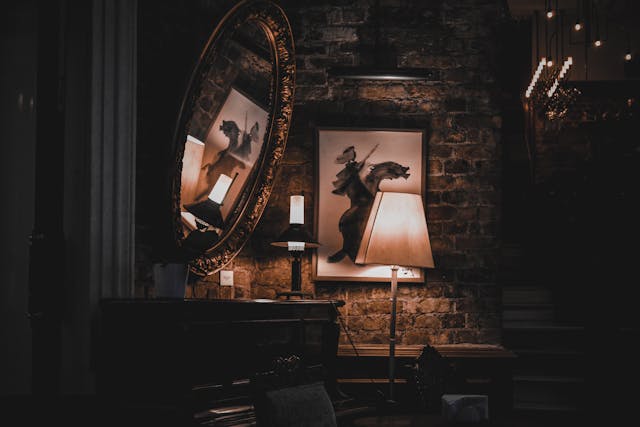
How to Bring Gothic Home Decor Into Modern Interiors
Walk through parts of France, Italy, or England and you will notice a certain mood in the buildings and interiors. Dark wood, stone walls, arched details, heavy drapery, and rooms that have a body and are not at all minimal.
Gothic design grew out of these spaces, drawing from medieval architecture, old churches, and grand homes that valued craftsmanship and atmosphere.
Those same influences have slowly found their way into modern interiors. Gothic home decor takes the drama and depth of those historic spaces and adapts them for everyday living. Deep colours, rich fabrics, and vintage details now show up in apartments and houses of all sizes. The goal is not to recreate a cathedral at home, but to borrow the mood, texture, and character that make those spaces so memorable.
Below are seven ideas you can use to create a space that is bold, cozy, and uniquely yours. Let's get started!
1. Ground the room with dark, saturated wall colours.
Set the tone with colour first. Reach for shades that are deep and complex rather than flat. Charcoal, forest green, deep blue, oxblood, and plum work especially well.
Paint a full room if the space gets enough natural light. Bedrooms, dining rooms, and studies handle darker walls beautifully. In shared living areas, use a feature wall to anchor the room and let lighter elements balance it out.
Add wallpaper where you want more texture. Damask, baroque, or dark botanical patterns bring movement to the walls and the color doesn't look unappealing. Keep surrounding furniture simple so the walls do most of the talking.
2. Layer in heavy, tactile fabrics.
Shift your attention to fabrics next. In Gothic home decor, fabrics need the right amount of texture, depth, and presence. Floor-length, velvet curtains in forest green or burgundy hang beautifully and soften light while adding colour depth. Pair them with blackout lining if you want even more control over light and mood. Curtains frame windows and control light, which helps the room emanate a more enclosed and relaxed ambience.
For sofas, beds, and chairs, choose fabrics with texture like velvet, brocade, or tapestry. Layer throw cushions with different patterns and textures so the seating looks inviting. Use a richly patterned rug underfoot to tie the whole space together. Oriental or Persian-style rugs look fantastic here, and they help break up dark floors if you have them.
See also: How to Get Handyman Jobs
3. Bring in furniture with weight and detail.
Furniture with old-world character is one of the easiest ways to give your home a Gothic vibe. Look for dark wood pieces with carved details, ornate legs, and interesting hardware. You might find these at thrift stores, flea markets, or vintage shops.
Place one statement piece in each room. A carved wardrobe, a high-backed chair, or a solid dining table gives the space a focal point. Let that piece lead the room and keep other furniture quieter in shape and finish. Also, mix old and new pieces freely. Pair a vintage chest with a modern sofa or a contemporary bed with antique side tables. This contrast will keep the space from looking dated or overly styled.
4. Use statement lighting to create ambience.
Pull back on harsh overhead lights and let the room read calm and composed. Spread several light sources around the room to avoid harsh brightness.
Choose a chandelier or pendant that anchors the room visually, meaning it becomes a central point your eye naturally settles on when you enter the space. Iron frames, candle-style bulbs, and muted crystal details too will suit Gothic interiors well. Wall sconces help spread light across the walls and highlight architectural features.
To soften the space further, get table lamps with fabric shades to warm up seating areas and corners. Stick to warm bulbs for a gentler glow. Also, scatter candles on mantels, shelves, and tables, arranging them in small groups so the light looks deliberate and cohesive.
5. Treat walls as a design element.
Rather than leaving walls bare, use them to introduce pieces that give the room character and direction. Artwork with a moody or expressive belongs here. Portraits, architectural sketches, religious imagery, and dark botanical prints all sit comfortably within a Gothic setting.
When it comes to framing, pay attention to finishes and materials. Black frames, antique gold tones, and aged wood bring depth and help tie different pieces together. For gallery walls, work around a shared colour palette or theme so everything reads as one collection rather than separate items.
To even out deeper wall colours, bring mirrors into the mix. Arched silhouettes and ornate frames echo Gothic architecture while reflecting light back into the room. Position mirrors across from windows or near lamps to spread warmth more evenly through the space.
See also: How to Turn Your House Into an Airbnb
6. Style with objects that tell a story.
Lean toward accessories that suggest history and personal choice. Skip decor that looks overly polished or straight off a shelf, since that tends to flatten the mood.
You can go about it by stacking older books on tables or shelves, then work in apothecary bottles, sculptural objects, or metal candleholders that catch the eye. Metal accents such as brass, bronze, iron, and dark ceramics lend contrast and will sit comfortably alongside richer fabrics and darker finishes. You can mix them across rooms, from kitchen counters to coffee tables, and they instantly connect different parts of your home.
Want to prevent tabletops and shelves from looking cluttered? Arrange objects in odd numbers and set them on trays or low risers. This will keep items contained in one spot, make cleaning easier, and help the eye understand what belongs together instead of everything blending into a mess.
7. Balance darkness with natural materials.
Dark interiors come together more easily with natural contrast. One way of doing that is throwing in greenery that can stand its ground next to deeper colours. Plants with bold shapes and dark green leaves tend to hold their presence, so snake plants, rubber plants, and trailing ivy will sit nicely against moody walls.
Once the plants are in place, pay heed to the containers they go into. Stone, ceramic, or dark metal planters keep everything tied together visually. Dried stems or bare branches are worth mixing in too, especially if you want a bit of height or movement.
Beyond that, allow wood and stone to show through wherever they already exist. Exposed beams, wood floors, and finishes with visible grain bring warmth into the room. Stone trays, marble pieces, and slate accessories reinforce that old-world influence and create a space as sophisticated as it is comfortable.
FAQs
1. What is Gothic home decor?
Gothic home decor is a style built around deep colours, layered textures, and dramatic details that give a space presence. It borrows from historic architecture, vintage interiors, and romantic design, then adapts those elements for everyday living.
2. Is Gothic style just heavy dark things?
Not at all. While dark tones are part of the look, texture and contrast keep it balanced. Fabrics, lighting, plants, and warm finishes prevent the space from reading one-dimensional.
3. Can I use Gothic home decor in small rooms?
Yes, small rooms can actually suit Gothic styling very well. Dark colours and focused lighting help define the space and create a cozy, cocooned environment rather than a closed-in one.
4. What colours work best for this style?
Black, forest green, burgundy, deep purple, and navy blue sit at the core of Gothic interiors. These shades work well together, so you can mix them across walls, furniture, and soft furnishings for a layered look.
5. Do I need antique furniture for Gothic home decor?
Antiques help, but they are not a requirement. Even one vintage or vintage-style piece can set the tone, while modern furniture keeps the space functional and current.
6. Can Gothic home decor feel warm and comfortable?
Yes, and it should. Soft lighting, plush fabrics, and rugs underfoot make the room inviting. The goal is visual drama that still supports everyday living.
7. What kinds of lighting suit this décor?
Low, warm lighting works best here. Chandeliers, wall sconces, table lamps, and candles create depth and shadow, which gives the room the signature architectural details Gothic home decor is known for.
8. Are patterned wallpapers part of Gothic decor?
They fit in beautifully when chosen carefully. Damask, floral, or baroque patterns in darker colour palettes add texture and visual interest, especially on a feature wall.
9. How do accessories fit this style?
Accessories introduce personality and give the room a sense of being built and improved upon over a period of time. Items like candleholders, books, sculptures, and decorative objects with weight or detail bring personality into the room.
10. Can I mix Gothic with other styles?
Yes, combining multiple styles gives Gothic decor longevity . Industrial metals, modern furniture shapes, or minimalist layouts pair surprisingly well with darker colours and ornate details.
11. Do I need expensive pieces for this look?
Not at all. Second-hand finds, thrifted furniture, and DIY projects work very well for Gothic interiors. Small upgrades like paint, hardware, or fabric swaps can change a piece completely.
12. What plants go well with Gothic home decor?
Plants with deep green leaves and strong shapes fit naturally into Gothic spaces. Snake plants, rubber plants, trailing ivy, and dried arrangements add life and texture while staying on theme.
See also: 7 Simple Home Improvement Ideas to Upgrade Your Colorado Home
Explore
Welcome to Stay Curious, your home for free online calculators and blogs that make you stop and think. Here, questions never get old and answers are always a little unexpected.
We dig into the weird and wonderful, challenge the obvious, and cover topics that make you think, "Why didn't I know this sooner?" From quirky facts to deep dives into everyday mysteries, we are all about satisfying that itch for knowledge you didn't know you had.
So go ahead, stay curious. We promise it'll be worth your while. Or, you know, not. ;)
Contribute
Learn
ask.staycurious@gmail.com
© 2025. All rights reserved.
We welcome guest posts on business, tech, travel, finance, lifestyle, career, relocation, and home improvement. Submissions must be original, unpublished (online), at least 800 words, and written in English.
Ready to contribute? Contact us with your ideas!