
Which Indoor Plants Like Coffee Grounds? (And Which Don't?)
Coffee grounds enrich soil with nutrients for healthier plants. Find out which indoor plants like coffee grounds and thrive with them, and which don't.
LIFESTYLE
Nia Prescott
12/3/20254 min read
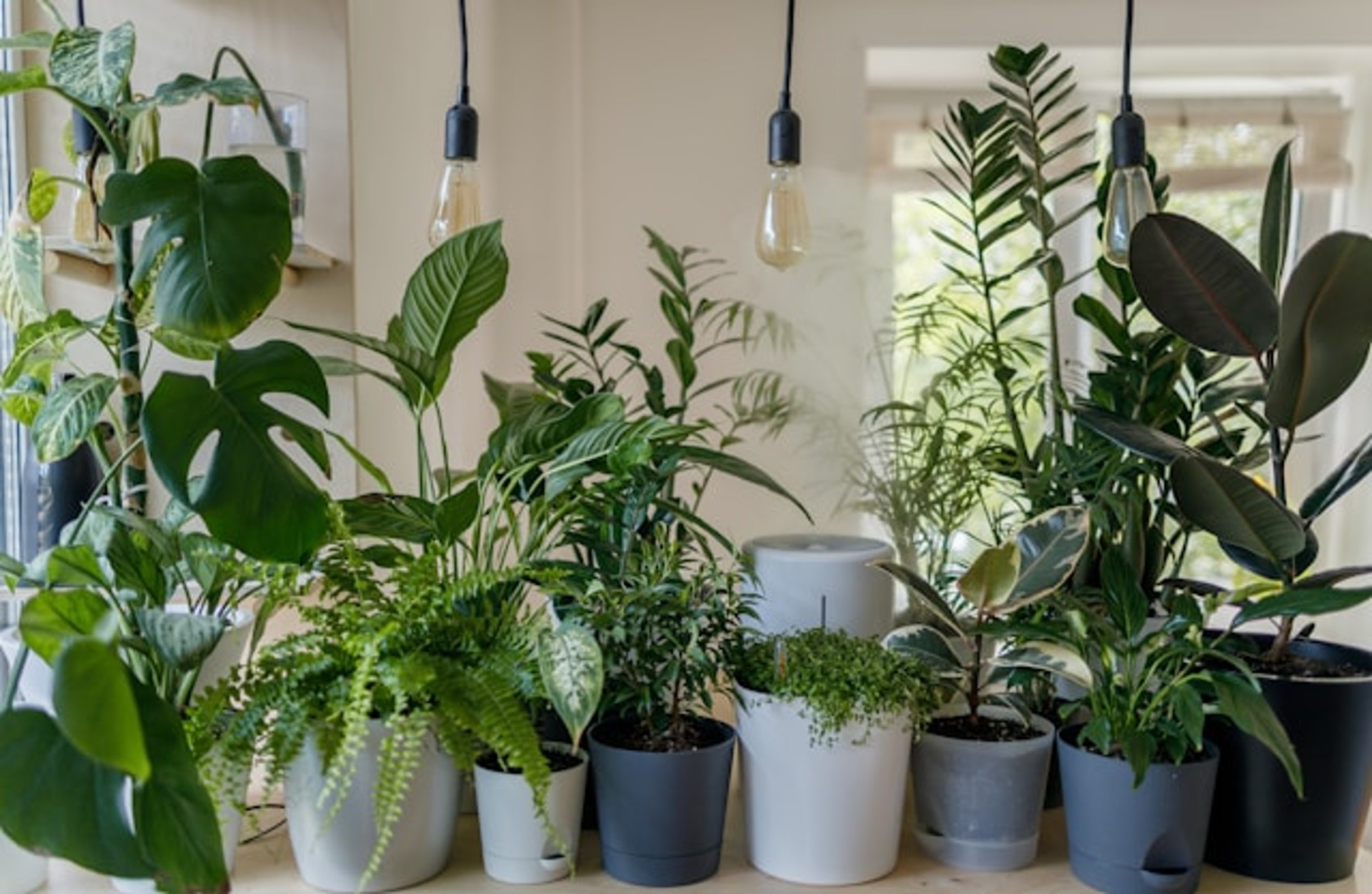
5 Indoor Plants That Like Coffee Grounds (And 5 Plants That Don't)
Coffee grounds have a reputation as garden gold. Many plant lovers swear that those leftover grounds from your morning brew can make certain houseplants thrive. The trick is to know which plants appreciate nitrogen-rich soil and which ones react badly to acidic additions.
Let’s dive into five indoor plants that enjoy coffee grounds in moderation and five that prefer you keep your latte leftovers far away.
1. Snake Plant (Sansevieria trifasciata)
The snake plant is hardy, adaptable, and tolerant of a bit of coffee-based acidity. It gets perkier with occasional nitrogen boosts, which coffee grounds provide.
Use a thin sprinkle mixed into the soil rather than piling grounds on top. You want oxygen to reach the roots, and you want good drainage. Your Sansevieria will reward you with upright, glossy leaves.
2. Spider Plant (Chlorophytum comosum)
The spider plant enjoys trace minerals and organic matter. Used lightly, coffee grounds help it grow fuller and produce more offshoots.
You can stir a teaspoon of dried grounds into the potting mix once a month. Chlorophytum comosum likes mild nutrient boosts, not heavy nitrogen dumps.
3. Jade Plant (Crassula ovata)
The jade plant is a succulent that prefers slightly acidic soil. Coffee grounds can help as long as you do not overdo it.
Mix thoroughly into the soil and keep the watering balanced. Too many grounds can retain moisture, and Crassula ovata does not enjoy wet roots. Used wisely, coffee grounds support thicker, fleshier leaves.
4. Philodendron (Philodendron hederaceum)
Philodendrons crave organic matter, and they react well to nitrogen enrichment. Mixed coffee grounds help the soil stay fertile and dark.
Use small amounts, well integrated, to keep the soil airy. Your Philodendron hederaceum will grow lusher vines and bolder leaves.
5. Christmas Cactus (Schlumbergera bridgesii)
This plant likes a mildly acidic environment. Coffee grounds work beautifully if you blend them into the soil sparingly.
Healthy Schlumbergera bridgesii often produces brighter flowers and longer bloom cycles when fed with organic soil amendments. Think of coffee grounds as seasoning, not as the main ingredient.
Now for the plants that do not like coffee grounds
Some plants prefer neutral or alkaline soil. Others dislike the moisture retention that coffee grounds can create. These five are better off with regular potting soil and a more traditional feeding routine.
1. Peace Lily (Spathiphyllum wallisii)
Peace lilies dislike overly acidic soil. Coffee grounds can stress the root system and encourage fungal issues.
If you have a Spathiphyllum wallisii, keep the soil neutral and lightly nutrient-rich. Good watering and bright, indirect light serve this plant better.
2. Pothos (Epipremnum aureum)
Many assume pothos likes the same treatment as philodendron. In reality, Epipremnum aureum handles acidity poorly. Coffee grounds can compact the soil and restrict root breathing.
If your pothos looks pale or droopy after coffee additions, that might be the cause. Stick to standard balanced fertilizer instead.
3. Ferns (Nephrolepis exaltata and others)
Ferns love moisture, but they require soil that stays airy. Coffee grounds can trap too much water and invite root rot.
Your Nephrolepis exaltata will feel happier with peat-rich, breathable soil and consistent humidity. Skip the coffee and use diluted liquid fertilizer instead.
4. Orchids (Phalaenopsis)
Orchids need air flow around their roots. They thrive in bark-based mixes, not dense compost or coffee-enriched soil.
Phalaenopsis absorbs nutrients differently from leafy houseplants. Coffee grounds interfere with drainage, so keep them far away from your orchid pot.
5. Lavender (Lavandula angustifolia)
Lavender likes alkaline, sandy soil. Acidic coffee grounds push this plant in the wrong direction, making it weak and pale.
Your Lavandula angustifolia remains happier in gritty, well draining soil. A handful of crushed eggshells works better than coffee for this one.
How to Use Coffee Grounds Correctly
A little really does go a long way when it comes to repurposing used grounds. Initially, most houseplant owners add only a small amount of grounds at a time. They dry the grounds, crush them, and use about a teaspoon every two to four weeks. You can gently mix the grounds into the top layer of soil so they blend in rather than sit on the surface.
Besides that, some houseplant owners prefer mixing grounds into compost first because it softens their acidity and the nutrients break down more gradually.
It's worth noting here that grind size changes how the soil behaves. For instance, French press grounds are coarse and keep the soil fluffy and allow roots to breathe. In contrast, fine grounds like espresso pack down and hold too much moisture if you use too much. If you're curious about this, you can explore different coffee brewing methods. As a general rule, the coarser the ground, the more naturally it mixes into soil and keeps it from becoming heavy or sticky.
How you mix the grounds is important too. Lightly folding them into the top layer encourages airflow and prevents clumping, whereas dumping or pressing them in can create a crust that blocks water and oxygen.
Some gardeners also like using diluted “coffee tea” instead of solid grounds, since a gentle soak in water over a day or two releases nutrients in a milder form. This technique usually suits a wider range of houseplants and keeps the soil from becoming overly compact. It also gives a more predictable nitrogen boost, especially for plants that need gentler feeding cycles.
There is also the practical, feel-good element of reducing waste at home. Turning leftover grounds into plant nutrition fits nicely into low-waste living, right alongside everyday habits like saving money on groceries through mindful use of household resources.
Many plant enthusiasts store used grounds in an airtight container and only add modest amounts every few weeks, during which time, they observe leaf texture and overall vigor of the plant. It helps to pay attention to leaf color, growth, and general plant health after each application, then adjust the amount if needed.
After a few cycles of testing different combinations of amounts, grind sizes, and application methods, you should be able to figure when plants look happiest and when the soil composition feels just right. If a plant looks healthy and the soil stays loose, you are using the right amount.
The real key is drying the grounds fully before they ever touch soil. It keeps the texture loose and prevents damp clumping that encourages mold. Soil needs breathing room, so nothing should form a dense mat on the surface that locks out air.
Final Thoughts
Coffee grounds can be amazing for the right plants and frustrating for the wrong ones. The secret lies in understanding what each species prefers. Plants such as the snake plant, spider plant, jade plant, philodendron, and Christmas cactus appreciate mild acidity and extra nitrogen. On the other hand, plants like peace lily, pothos, ferns, orchids, and lavender prefer different soil chemistry.
Have fun experimenting. Keep your doses light. Pay attention to how your plant reacts over time. Your indoor garden will soon tell you exactly what it loves.
Author Bio
Nia covers lifestyle, wellness, and self-care routines for busy people. She loves sharing small, achievable habits that create meaningful improvements over time. Her writing is warm, encouraging, and easy to implement.
Explore
Welcome to Stay Curious, your home for free online calculators and blogs that make you stop and think. Here, questions never get old and answers are always a little unexpected.
We dig into the weird and wonderful, challenge the obvious, and cover topics that make you think, "Why didn't I know this sooner?" From quirky facts to deep dives into everyday mysteries, we are all about satisfying that itch for knowledge you didn't know you had.
So go ahead, stay curious. We promise it'll be worth your while. Or, you know, not. ;)
Contribute
Learn
ask.staycurious@gmail.com
© 2025. All rights reserved.
We welcome guest posts on business, tech, travel, finance, lifestyle, career, relocation, and home improvement. Submissions must be original, unpublished (online), at least 800 words, and written in English.
Ready to contribute? Contact us with your ideas!