
Thomas Keller's Potato Pavé Recipe
Make Thomas Keller's potato pavé at home with this clear, practical recipe that explains layering, baking, chilling, and finishing for restaurant results.
LIFESTYLE
1/8/20264 min read
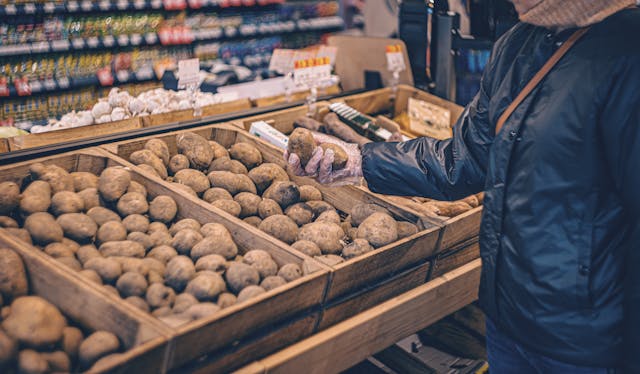
Thomas Keller’s Potato Pavé Recipe: How to Make Crispy Layered Potatoes
If you have ever eaten a potato side dish in a good restaurant and wondered how they managed to make it creamy and luscious on the inside, sharply layered in the middle, and crisp and crackly on the outside, there is a good chance you ate potato pavé. The version made famous by the modern American fine dining scene (and brought to you by Thomas Keller) is an exercise in Ad Hoc at Home-style restraint: simple ingredients, extremely tidy technique, and a finish that turns “just potatoes” into a dramatic showstopper.
A traditional, Keller-style potato pavé is a layered potato bake (cream, butter, salt, pepper, aromatics), pressed and chilled until firm enough to it slice cleanly into neat rectangles, then browned in a pan right before serving to create the signature golden crust.
Let's make it!
Potato Pavé vs. Potato Gratin
A gratin is delicious, but it is meant to be scooped. Potato pavé is meant to be cut into clean rectangles, almost like a savory pastry. The difference comes down to two important steps:
Ultra-thin slicing (a mandoline helps) and careful layering.
Pressing and chilling after baking, which compacts the layers so they hold their shape.
Then, instead of serving it straight from the oven, you sear portions on the stovetop until the faces are crisp and deeply browned.
Ingredients You’ll Need
This is the classic ingredient set you will see tied to Keller’s Ad Hoc at Home version, although measurements and technique may vary slightly.
Russet potatoes, about 3 pounds (starchy potatoes layer and set nicely)
Heavy cream, about 1 cup
Kosher salt and freshly ground black pepper (a common starting point is about 1 tsp salt and 1/2 tsp pepper in the cream)
Unsalted butter
A little softened butter for greasing the pan
Plus a few tablespoons cut into small cubes for layering
Thyme sprigs
Garlic cloves, lightly crushed (often left skin-on for a gentler garlic note)
Neutral oil (like canola) for pan-searing
Optional finish: chives or flaky salt
Equipment to Make Your Life Easier
You do not need professional kitchen tools, but a few tools will definitely make the outcome look closer to the traditional recipe.
Mandoline best for uniform, paper-thin slices; use a guard, always
Loaf pan or a small baking dish lined with parchment
A second loaf pan, cutting board, or another flat object for pressing the potatoes
Heavy cans or other weights for compression
Sharp knife for trimming and portioning the finished pavé.
Step-By-Step: How to Make Thomas Keller–Style Potato Pavé
1) Heat the oven and prep the pan.
Preheat the oven to 350°F (175°C), which is the temperature repeatedly cited in Keller-style transcriptions. Line a loaf pan with parchment so you have overhang to lift the pavé out later, then butter the parchment and the inside of the pan.
2) Season the cream.
Pour the heavy cream into a bowl and season with salt and pepper. Many versions start by seasoning the cream directly to distribute the flavor throughout the dish.
You can also add the crushed garlic and thyme here, or tuck them between layers later.
3) Slice potatoes paper-thin.
Peel the potatoes. Some instructions suggest trimming potatoes into a neat rectangle before slicing, but don’t stress if you skip that because you will trim the final “brick” anyway.
Slice lengthwise into very thin sheets. A key practical tip that shows up often: slice directly into the cream (or toss frequently in cream) so the potatoes do not discolor and so they stay lightly coated.
4) Layer with butter and seasoning.
Build neat layers in the lined pan. Add small cubes of butter between some of the layers and continue until the pan is full. Also, as you go, make sure to keep the layers as even as possible so the finished pavé cooks and sets evenly.
5) Bake until completely tender.
Fold the parchment over the top or cover the with foil. Bake until a thin knife passes through the potatoes with very little resistance. Depending on the thickness of your pan and layers, this usually takes around 1.5 to 2 hours.
We wouldn't rely on the time completely, though. The potatoes should be completely tender before you move to the next step.
6) Press, cool, and chill.
This is where pavé becomes pavé. While still warm, press the potatoes by placing another pan or a flat surface on top and adding weight. Let them cool under pressure before transferring them to the refrigerator. Chill for at least 6 hours, although overnight works even better. Some recipes say you can refrigerate the pavé for up to 2 days before serving.
Fun Fact: Chilling firms the butter and sets the starches so the layers slice cleanly.
7) Portion and pan-sear for the signature crust.
Lift the chilled potato slab out using the parchment overhang. Trim the edges for a perfect rectangle, then cut into small squares or small rectangles.
Heat a skillet with a thin film of neutral oil (some cooks add butter too). Sear the large flat sides of each portion until deeply golden and crisp. You can briefly brown the sides as well if you want extra crunch.
Serve immediately.
Tips for maximum taste
Uniform slices matter more than perfection. Even thickness means even cooking and cleaner layers.
Do not rush the chill. If you try to cut it warm, you will get a soft scoop instead of sharp rectangles.
Season in layers. Cream already has some seasoning, but a light sprinkle of salt at intervals keeps the potato flavor lively.
Press firmly, not brutally. You want comact layers, not mashed potato.
Use a hot skillet when searing. A lukewarm pan will soften the potatoes instead of creating a crisp crust.
How to serve it like a restaurant side
Potato pavé loves anything saucy or roasted: steak, chicken, mushrooms, or a simple green salad with a sharp vinaigrette. If you want to lean into Keller’s clean style, finish with a pinch of flaky salt and a few chives, then let that crisp edge do the talking.
Explore
Welcome to Stay Curious, your home for free online calculators and blogs that make you stop and think. Here, questions never get old and answers are always a little unexpected.
We dig into the weird and wonderful, challenge the obvious, and cover topics that make you think, "Why didn't I know this sooner?" From quirky facts to deep dives into everyday mysteries, we are all about satisfying that itch for knowledge you didn't know you had.
So go ahead, stay curious. We promise it'll be worth your while. Or, you know, not. ;)
Contribute
Learn
ask.staycurious@gmail.com
© 2025. All rights reserved.
We welcome guest posts on business, tech, travel, finance, lifestyle, career, relocation, and home improvement. Submissions must be original, unpublished (online), at least 800 words, and written in English.
Ready to contribute? Contact us with your ideas!