
Beginner-Friendly Steps to Build an Emergency Fund Starting at $0
Learn practical steps to build an emergency fund starting at $0, plus how to balance saving with retirement contributions.
MONEY
Damian Cross
7/24/202616 min read
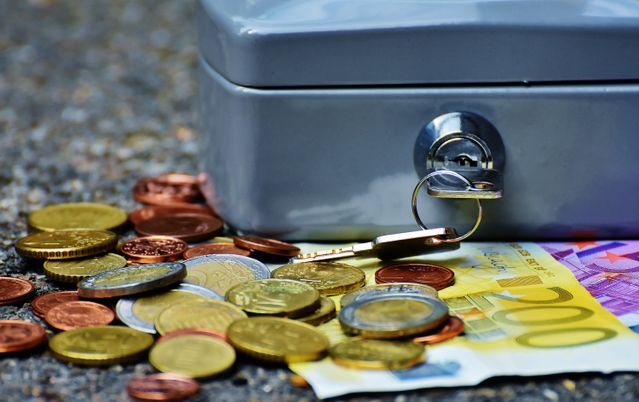

Step-by-Step Plan to Build an Emergency Fund from Zero (Plus: Is Saving 10% or 20% of Your Income Better?)
I'm not going to lie, I used to think that building an emergency fund was one of those "adult things" that I had to get to after securing my retirement account, investments, whatever else it is we're supposed to be doing as responsible humans. And then my car needed a $600 repair at the same time my rent was raised, and I had to confront the horrifying reality that I had been thinking about this all wrong. Your retirement account is for when you're 60. An emergency fund is for that moment when everything goes to hell on Tuesday and you need cold, hard cash immediately, without having to call your investment broker and hope he returns your call before the market closes.
If you're starting from zero, you are not alone. According to a recent survey by Bankrate, the median amount of cash held in emergency funds by American households is just $500, and nearly 30% of respondents had no emergency savings whatsoever. If you're at $0, congrats, you're basically average. This isn't meant to be a guilt-tripping post, it's meant to be a "here's what I wish someone would've told me" post. So let's get right into it.
In this post we'll discuss:
the practical steps I took to get from $0 to a fully funded emergency fund
how to go about the 10% vs. 20% savings rate debate
and a few other common questions I usually hear about emergency funds
The Basics You Need Before You Start
An emergency fund is a reserve of money intended to provide 3-6 months of basic living expenses for the sole purpose of covering unexpected expenses such as a loss of job income or an unplanned large purchase. Living expenses include rent/mortgage, electricity, food, transport, minimal debt repayments, and healthcare. Basically, anything that is necessary for life and cannot be postponed. So if your monthly spending is $4,500, but consists of $3,200 in essential expenditures, your fund should be aimed at $3,200.
The emergency fund differs from a retirement fund in one key aspect – liquidity. The money in a retirement account, such as a 401k, is meant to stay locked until retirement age. Withdrawing it early causes tax implications and loss of potential growth. Thus, having an emergency fund is an optimal choice, which lets you avoid touching the retirement account. Both funds are crucial, but they should stay separate, with an emergency fund being easily accessible.
The Beginner-Friendly, Step-by-Step Plan
Step 1: Determine your target number
You should start your calculations from your expenses. Add up everything that you pay for every month–housing, utilities, food, transportation, your debts’ minimum payments, and healthcare costs. Multiply the resulting sum by 3 to get the lower end of your target range and by 6 to determine the higher end. For example, if your monthly expenses amount to $2000, your target range is between $6000 and $12000. Make sure to write down the number in a place where you will be able to see it.
Step 2: Build the baseline budget first
You cannot start saving money if you do not have an understanding of where your hard-earned cash is going. For now, ignore all thoughts about your financial goals and aspirations. You need to track your expenses for at least one month (preferably two). It is important to separate your expenditures into variable and fixed ones. The latter usually includes rent or mortgage payments, loans, and other regular expenses. The former is the money you spend on groceries, entertainment, subscriptions, and other things you buy on whim. Chances are, you will discover some interesting (and probably unpleasant) things about yourself after analyzing your spending habits. For instance, you might have no idea how much you spend on dining out or online shopping.
Step 3: Open a separate account specifically for this
Don't leave this money in your checking account, because it's much too tempting to dip into it. Open a new savings account at a bank or credit union, put the emergency fund there, and have money automatically moved into it from your paycheck account when you get paid. Paying yourself before you pay others for things, or have a chance to spend the money, is vital to making this work.
Step 4: Start small and scale it up
If you have nothing, don't shoot for six months' worth of expenses on day one. Start small and build up the amount you're transferring to your rainy day fund each month. Set a smaller goal, like $500 to $1,000 in savings. This amount should cover any minor expenses or mishaps that might occur, and it will still be a worthwhile achievement for you because it will show you that your system works. Raise the amount transferred when your income increases or whenever you have an expense paid off.
Step 5: Put a 30-day and a 90-day check-in on your calendar
At each one, assess how far you are from your goal based on actual results versus projections, and make adjustments to your automated transfers. When you receive unexpected windfalls like bonuses, tax refunds, or cash gifts, deposit a large chunk of that money into your emergency fund. You don’t want windfalls to go unused, because they’re a quick and easy way to pad your emergency fund.
Step 6: Protect what you've built
Set a personalized list of "real" emergencies: loss of job, medical bills, major home/car repairs, or necessary travel for a family emergency. A sale on something you really want just isn't one. Review and update your list of essential expenses every few months because the cost of things changes, as well as your personal needs, and keep the money in an insured account, so it's protected and available when you need it.
Step 7: Know when to stop growing it (and what to do if you dip into it)
After you’ve built it up to your 3–6 month target, you want to stop feeding it money and direct the savings to other goals instead. And if you ever do have to withdraw funds, you must always aim to replenish it back to its previous levels as quickly as possible. See Step 4 for help on doing that.
Emergency Fund vs. Retirement Account: How to Prioritize Both
For years I had been putting all my spare money into my retirement account first, justifying this as being smart since I figured as long as I have time to invest, it is a better alternative. My assumption was that the money in my retirement fund would always be there for retirement, and that I would always be able to "figure things out" when an emergency comes up. I had no idea what the real world would be like, where at one point I could not get paid for a month at work, and I had unplanned dental expenses, forcing me to pay an out-of-pocket bill.
The truth of the matter was that "figuring things out" did not always work the way it should, and in the meantime, I found myself without any money. I had a great retirement fund, growing every day, and I was happy and content with that; but it did me no good on Tuesday as I had to wait until Friday to get paid. This is the section you need to read, and the section which will fill the holes in your understanding
Here's my suggested order and the order I would tell others trying to get their finances in order for the first time to follow:
1. The first order of business is to get that first little bit of an emergency fund up and running (between $500-$1000). This is a bare minimum fund, to cover those minor expenses and expenditures that are completely unexpected and could arise at any given moment. It is important to have this first fund up and running before moving on to other financial goals because it is what is going to save you from having to dip into other, more important, areas of your finances in the event of something small and relatively inexpensive happening. You don't want to have to be relying on credit cards to pay for minor things like a new set of tires or a new laptop or even an unexpected trip to the veterinarian for your pet. It just makes things far too easy to slip into debt.
2. The second thing that you need to do is get some form of retirement account up and running, just enough to get the maximum amount of employer match if your employer offers that. You don't want to leave that much money on the table every single time you get paid, after all. This step goes hand in hand with step one, in a way, because this is another one of those things that you shouldn't put off until later on, as you can begin putting the money away for it as soon as you have some extra income to spare. It is crucial that you have some form of retirement fund because once you retire, you won't be making any more income.
3. After that, it is a matter of getting that larger emergency fund up and running (3-6 months of expenses). Once you have that smaller emergency fund up and running and the retirement fund well on its way, it is time to put some serious money into your larger emergency fund, which will be far more extensive in its coverage and will require more time and effort to be put into it. Once this larger emergency fund is all set, then and only then should you start thinking about increasing your retirement contributions or other savings, whether it be for a down payment on a house or whatever else is on your personal financial wish list.
Why this order and not another? Because the whole point of an emergency fund is to protect the rest of your financial plans from derailment. If you skip right to maxing out those retirement accounts while leaving your emergency fund empty, then the first time something unexpected comes up that causes a shortfall in income, you're going to be faced with a choice between reducing your retirement contributions to pay for the emergency or using your retirement funds as an emergency fund.
Either way, you'll be undoing months of hard work in order to solve a problem that should have been anticipated and dealt with before it arose. By having an emergency fund in place, you avoid the issue, allowing your retirement funds to grow untouched and uninterrupted for however many decades you need them to. Paying taxes on large sums that you only pulled out due to unforeseen circumstances is a poor trade for simply setting aside a small amount of money for whatever little issues come up from time to time.
If you're considering the alternative, where paying off high interest debt comes before establishing that smaller emergency fund, just make sure that you set aside the money to pay off the initial bit of debt while still contributing to your emergency fund. You can keep doing that until either the debt is completely paid off, your emergency fund gets to the point where it's enough for your needs, or a balance in between the two. High interest debt is a form of emergency much like not having an emergency fund is, and it's far more damaging the longer that it's allowed to persist.
The one that ultimately makes this entire endeavor sustainable, rather than just a feel-good exercise on paper, is automation. Schedule your retirement account contributions and your emergency fund deposits as two separate automated transfers due on your payday, even if they are small amounts. You shouldn't have to always remember or be in the right mental place to make a conscious decision to do right by yourself. The process should take place whether you are having a good week or a bad week, whether you feel motivated or not - it should be built to last through your busy weeks and right through those moments when you simply don't have the mental energy or the time. It's not personal, it's just human nature to have those dry spells, and they will always come at the worst time.
Is Saving 10% or 20% of Your Income Better for the Long Run?
There is no simple answer to this question. It all depends on the situation and the level of income. Saving 10% is probably a good idea if you are just starting to build your emergency fund and you are struggling to make ends meet. 10% is a decent amount that will not leave you broke and without motivation by the second month. For most of us, 10% monthly savings is a sustainable amount that would allow us to have some financial security without sacrificing our standard of living. At the same time, saving 20% can be a better option in some cases. If your income is unstable or you have dependents who rely on you, 20% savings will allow you to create a bigger safety net and reach your goals faster.
I think it is best to start saving right away but set your rates realistically so that you have enough money for everyday expenses. Then, once you have a certain amount saved, you can move some of it to your emergency fund and increase the percentage. It is important to increase the rate of savings gradually, by no more than 2% per month. The key to effective and sustainable saving is to have enough money so that you do not feel deprived. The exact amount will be different for everyone. You need to consider your current income, level of debt, possible employer contributions to your retirement plans, and many other factors.
Common Mistakes Worth Avoiding
None of these are particularly dramatic, which is probably why I’m including them here. All of these are things that seem minor in the moment, a few extra charges here and there, a transfer that never quite goes through, and it isn’t until months (or years!) later that you realize just how much money you’ve actually lost out on because of them. In short, I’ve made every single one of these mistakes, and more than once in some cases, so take this as the list of things I wish I knew before I did them!
Racking up new debt simultaneously as you save
This was happening to me for almost a year before I realized what was going on. I was patting myself on the back for having been able to transfer $150 every month into my emergency fund while still being able to afford some "nice" dinners out and impromptu vacations. When calculating my transfers to the emergency fund and the chargebacks to my credit card, I've turned out to have almost the same amount of money in both. It means that instead of having an emergency fund with approximately $1800, I've created a new credit card debt of the same size.
If something similar happens to you, take a closer look at your credit card statements from the last 2-3 months before celebrating your success. If the amounts charged to your card are consistently higher than your emergency fund contributions, they are not really emergency expenses. If you are thinking about paying off credit card debts and have an emergency fund, pay attention to the credit card payments along with the amount that goes into your emergency fund instead of waiting until your savings reach a certain level.
Underestimating your real expenses
You have to consider all the costs associated with recurring payments for living. When I was calculating my “essential expenses” for the first time, I took an average of the last several months of my bank statement. What I did not consider was that I have to renew my car registration every year, I have to pay for my home insurance as a single annual payment, and the electric bill was significantly higher in June than it was in April. None of these are unexpected expenditures, but they affect my average expenditure per month and, therefore, my target emergency fund size.
To calculate it correctly, I had to take all bills that came due more than once a year (or were due once a year but were unexpectedly high) into account. I took a close look at the past 12 months of bank statements, not just the last 2 or 3, and took out all amounts that were due more than once a year or came due once a year but were surprisingly high. I then calculated how much that would add per month on average, given the frequency of these bills, and added this amount to my regular monthly expenses to calculate how much I should be saving for emergencies.
Mixing up accessible and invested
For a while, I counted a small brokerage account I'd opened as part of my emergency fund, because I had a nice round number in there that made me feel secure, and I told myself that if the worst came to the worst, I could "just sell something" to get the cash I needed. Then one month, the market tanked right around the same time that my apartment's water heater died, and it made no sense to me to have to sell off a chunk of my life's savings in order to afford a new hot water heater - that's exactly what an emergency fund is for! Money in a brokerage or retirement account isn't the same thing as cash in the bank, even if the number looks good when you do your net worth calculations.
Ask yourself one brutal question about any given dollar that you're tempted to count towards your emergency fund: could I get this money into my checking account within a day or two, hassle-free, without having sold anything at a loss, without worrying about market fluctuations - in short, without having to think about it at all? If the answer is "no," it's not liquid, which means it doesn't count towards your emergency fund, liquid or not.
Turning off the automatic transfer "just this once"
You'll have a month of scraping together funds and putting the transfer on hold sounds like such a grown up thing to do. I, myself, have done this on more occasions than I can count and for all the right reasons but almost every time I've done it, it's turned into two or three months because by month two you forget all about the automatic transfer because it's not a habit anymore as much as it was a conscious decision when you turned it off and conscious decisions are much harder to follow through on than habits are.
If your "grown up" is really having financial repercussions then don't just turn it off, scale it back to like $10 or $ or whatever amount you feel comfortable with and set a reminder for yourself on your calendar to increase it again. By having the constant but smaller version of your transfer, you have the habit of transferring your money which is important because willpower you have to consciously conjure up for those transfers that don't happen every period anyway.
A Simple Template to Follow
Budget Worksheet
monthly income
fixed costs
variable costs
essential expenses total
emergency fund target (3x and 6x essentials)
Auto-Transfer Checklist
dedicated savings account opened
transfer amount set
transfer date matched to payday
account confirmed as separate from daily spending
Milestone Timeline
Month 0: open account, save first $100
Month 3: reach $500–$1,000 starter goal
Month 6: one month of essentials saved
Month 12: three months of essentials saved, reassess and continue toward six
Frequently Asked Questions
How long will it take to build a 3-month or 6-month emergency fund if I save $200 a month?
It depends on how much you need for your necessities. If your monthly essentials cost you $2,000, then saving 3 months' worth of money requires saving $6,000, and that requires 30 months (or 2.5 years) at a rate of $200 per month. Six months' fund will be $12,000, and this will require 60 months (or 5 years). This is a pretty good runway, which is why Step 5 (windfall) and slowly increasing your monthly savings make sense. Even increasing your savings to $300 per month will cut down the 5 years to about 3 years and 4 months.
What are some side hustle or gig ideas to speed up emergency fund savings?
A few possible options that people may be able to get started with relatively quickly and with little investment of time or resources include things like freelance writing or editing/editing gigs or virtual assistant opportunities if they have a computer some time to spare, food delivery or grocery delivery services if they have access to a vehicle or bike and a few hours to spare, selling personal items online if they have unwanted personal items that they could sell on local marketplace sites or apps, tutoring or skills sharing if they know a language or have an instrument or skill they could teach others to pay them to learn it, pet sitting or dog walking gigs in their area if they have pets or know people with pets, and weekend or seasonal retail or event staffing jobs if they are able to do so.
The most important thing would be to direct any extra money from these ventures straight into their emergency fund rather than allowing it to be consumed by other expenses since the point of having an emergency fund is to have money set aside for emergencies
How should I adjust my emergency fund goal if I'm self-employed or have irregular income?
My suggestion would be to go for the 6 months figure rather than 3 and maybe even go up to 8-9 months if possible, when it comes to finances. The amount has to be calculated based on the expenses you can’t do without per month, therefore, if your income tends to be lower sometimes, make sure to take that figure as a basis for calculation.
It might also be a good idea to separate business expenses from personal ones as the ones you can’t do without are usually the personal ones that determine how much money you need to save up for an emergency. Many people that work freelance tend to save up a certain percentage, usually 10-15%, from every payment they receive rather than setting a goal for an emergency fund as the money tends to come sporadically and it’s hard to plan around it.
How can I cut out $200 to $500 a month from my expenses to start saving up faster?
First, you want to check out any subscriptions you have that you don't really use on a regular basis. It's amazing how much you can save on things like streaming services and gym memberships that you barely use. Then, you want to look at how much you spend on groceries and see if you can meal prep around what's on sale and limit yourself to buying food that you make at home rather than eating out or having it delivered. That could save you up to $100 to $200 a month just on its own.
You should also review your cell phone, internet, and insurance plans every year to make sure you're not being overcharged for things you already have, especially since you have to call and ask for a discount rather than getting it automatically. Limiting yourself to eating out only once or twice a week instead of multiple times can save you an obscene amount of money, too, without having to change anything major about your lifestyle. You don't have to do any of these things all at once, either. Pick one or two things that seem easiest to do and only do those until it becomes a habit before adding on more. Either way, you can just take the amount you saved from whatever you did and put that directly into your automatic transfer.
Bringing it All Together
Building an emergency fund from scratch is not a process that involves one defining moment. It is about making a few small decisions that add up: being realistic about how much you can save, taking advantage of automation to make saving easier, keeping your emergency fund separate and secure, and being flexible when life changes.
Meanwhile, your retirement account will continue to do what it is supposed to do - remain safely tucked away until you need it in your later years, whether that be for a medical procedure or a vacation.
If you would like to conduct your own calculations instead of using the numbers I provided above, we have a few calculators that you might find helpful. The monthly savings calculator can show you how long it will take to reach your emergency fund savings goal at various contribution levels, the debt payoff calculator can help you understand how accelerated debt repayment fits into your emergency fund creation timeline, and the emergency fund calculator can help you determine how much cash you should have set aside based on your monthly expenses.
Author Bio
Damian writes about personal finance, money-saving tips, and smart investments. He enjoys helping readers make financial decisions that feel manageable and realistic. His content is practical, straightforward, and empowering.
Explore
Welcome to Stay Curious, your home for free online calculators and blogs that make you stop and think. Here, questions never get old and answers are always a little unexpected.
We dig into the weird and wonderful, challenge the obvious, and cover topics that make you think, "Why didn't I know this sooner?" From quirky facts to deep dives into everyday mysteries, we are all about satisfying that itch for knowledge you didn't know you had.
So go ahead, stay curious. We promise it'll be worth your while. Or, you know, not. ;)
Contribute
Learn
ask.staycurious@gmail.com
© 2025. All rights reserved.
We welcome guest posts on business, tech, travel, finance, lifestyle, career, relocation, and home improvement. Submissions must be original, unpublished (online), at least 800 words, and written in English.
Ready to contribute? Contact us with your ideas!